
Students across the Blue Valley School District are gaining early exposure to potential careers through the Center for Advanced Professional Studies (CAPS), a program that allows juniors and seniors to explore professional fields while still enrolled in high school.
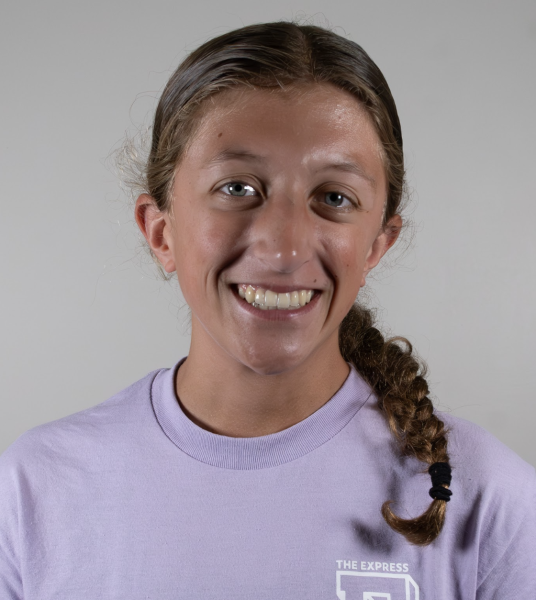
Rylie Edwards, who has been enrolled in CAPS since Aug. 2025, said she participates in the Teacher Education strand. Edwards said she wanted to see what the profession was like before committing to it long term.
“I was interested in being a teacher, so I thought it would be smart to get a feel for it,” Edwards said.
Edwards said she learned about CAPS through her sister, who previously participated in the program, as well as through presentations during her sophomore year. She said the program differs from regular school because it is more like the real world.
“You have a lot more freedom, and they treat you a lot more like adults,” Edwards said.
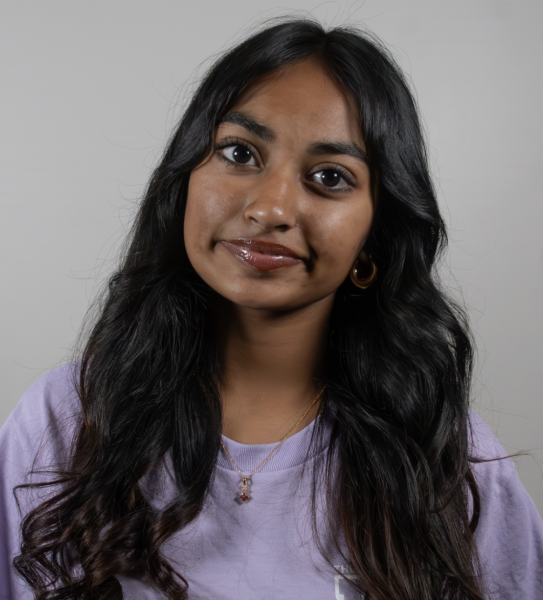
Senior Tanvi Sri Kare said a similar sentiment about her motivation for joining CAPS. Kare said she hopes to be a radiologist in the future. “[I get] a lot of real-world patient interactions and hands-on experiences that I wouldn’t get otherwise,” Kare said.
According to Edwards, in CAPS, students are immersed in practical projects and professional environments. Edwards said that while being in the Teacher Education strand, students have internships at elementary schools during the second semester of the school year, where CAPS students shadow teachers and observe classroom instruction regularly.
“Other than [interning], we’re just doing projects that teachers would do, like making lesson plans,” Edwards said.
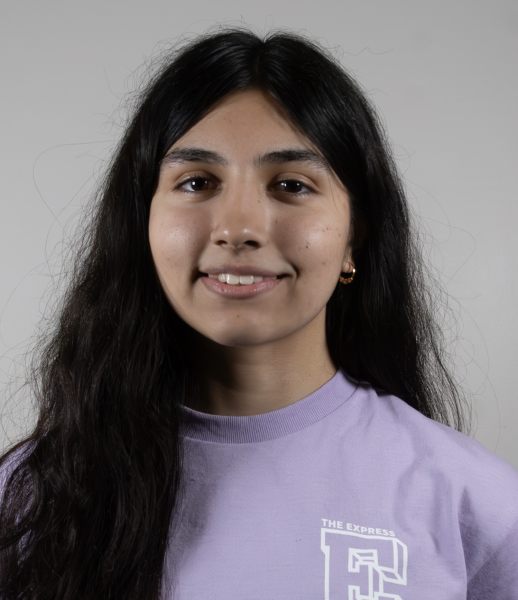
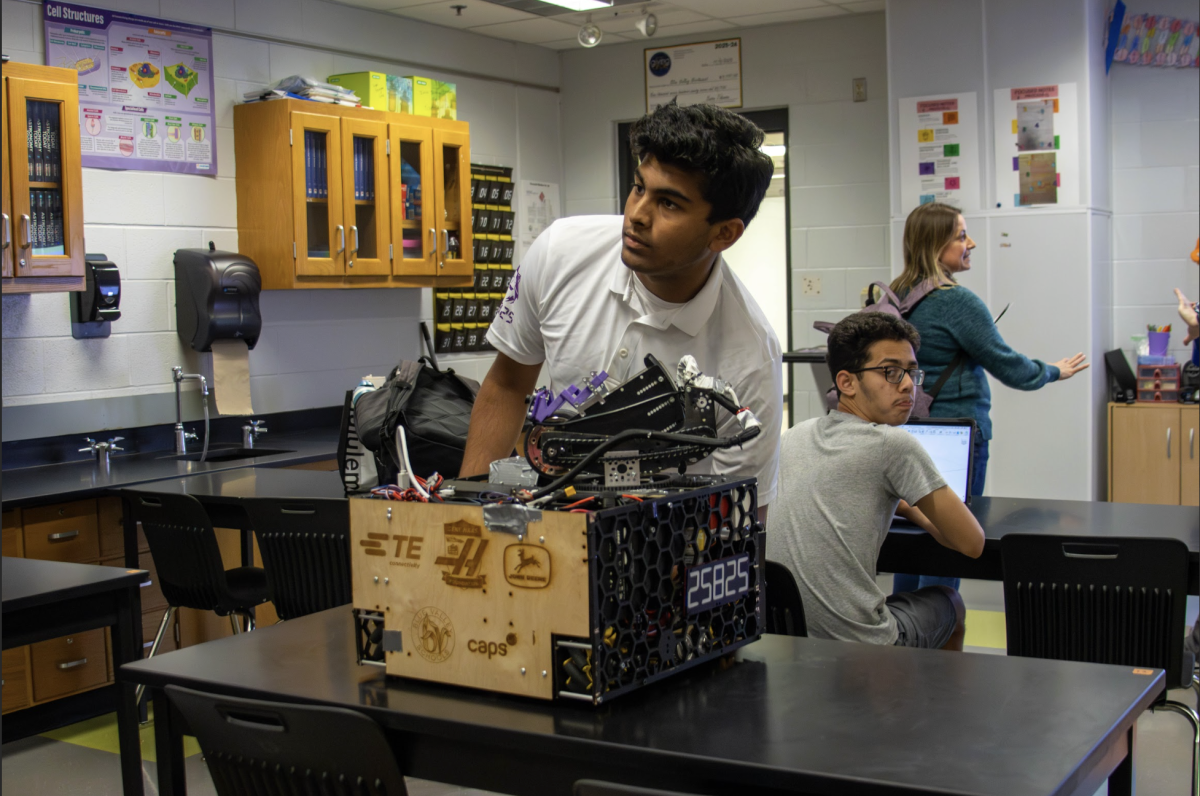
Senior Aahana Basak, a student in the engineering strand at CAPS, said she prefers these projects over traditional school, as they help students get more real-world experience. “[CAPS] actually helps you for your future,” Basak said. “When you’re doing projects, you’re getting more experience in the real world, rather than just sitting in a class.”
Basak said she plans to major in industrial design in college, a field that overlaps with architecture and engineering. “I’ve always been interested in architecture. As a child, I was between mechanical [engineering] and architecture, but I already worked with Revit (a software design program), so I was like, ‘Okay, I’m gonna do architecture,’” Basak said.
Even though her CAPS strand does not offer college credit, Basak said the program still gives her a head start by providing exposure to professional environments and field trips related to engineering and design, as well as allowing her to work on long-term projects in the architecture strand, such as designing houses or school facilities, which the students develop throughout the semester.
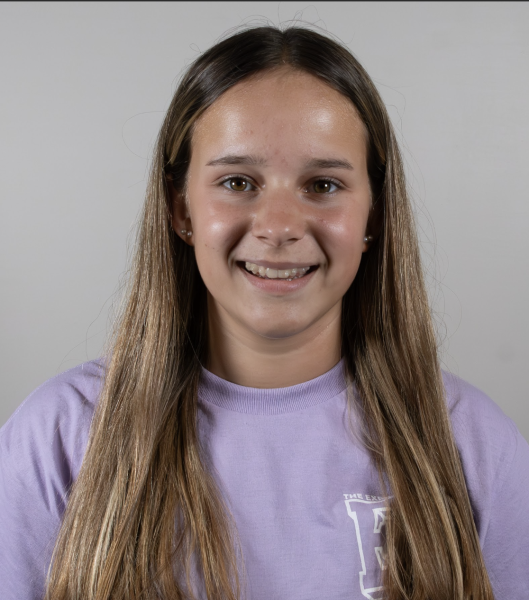
Senior Megan Beattie said these projects were a major pull towards the program for her. Beattie is also in the engineering strand at CAPS, though her focus is on aerospace engineering.
According to Beattie, she has always been interested in aviation and design.
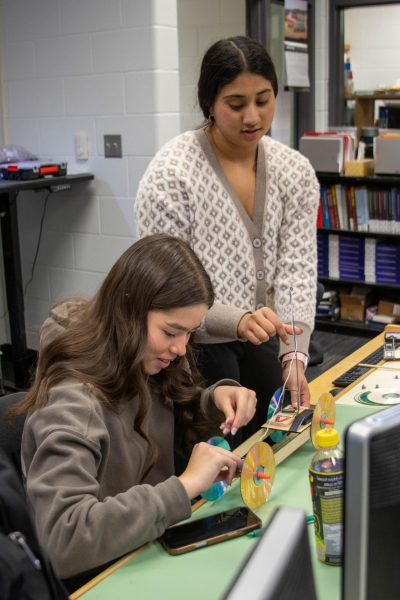
Similar to Beattie, Edwards also wanted to make sure she enjoyed her experience before committing to it in college. Edwards said she originally planned to major in education, but her experience in CAPS helped her reassess her goals.
“It saved me a lot of time,” Edwards said. “It made me realize I don’t want to do teaching.”
Edwards said the program remains valuable even though her plans have changed. She said she is now interested in marketing and business and believes CAPS helped her develop communication skills through interviews and interacting with professionals.
According to Basak, CAPS gives students a lot of freedom to explore on their own while teaching them real-world skills.
“You’re doing things like in the real world, like you have to show up [in] business casual, right? So you’re being there, like a professional, and you need to show up on time, and you’re kind of on your own,” Basak said.
Kare said that at times, that is what makes the course challenging. According to Kare, the medical strand often runs simulations so the students can practice interacting with patients.
“It’s hard to have a conversation with someone who is playing a sick patient,” Kare said. “But, you learn a lot, and those skills are essential for the real world.”
Similar to Kare, Beattie said the atmosphere of CAPS helps her learn more than she would at her home school.
“I think I personally enjoy the freedom. I know there [are] some people that might prefer being told exactly what to do,” Beattie said. “But if you appreciate being able to explore your own interests, I think it’s super meaningful to take CAPS.”